Edit Content

Fire Damage Insurance Claims for Pittsburgh Businesses: What Owners Need to Know

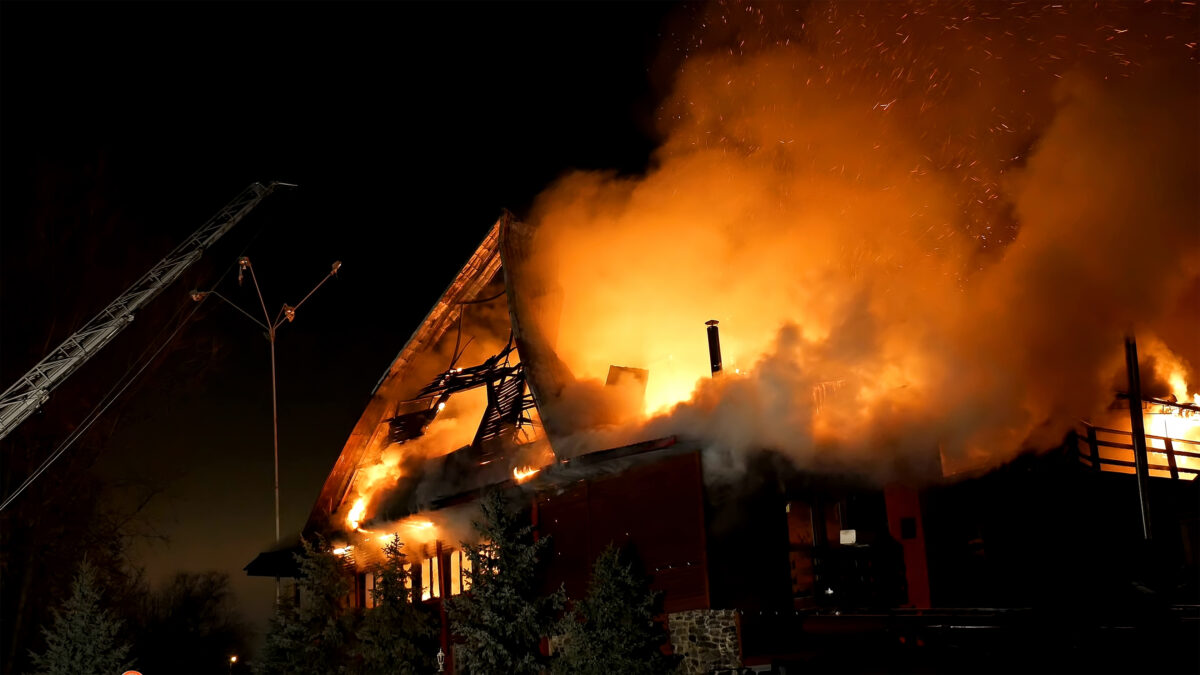
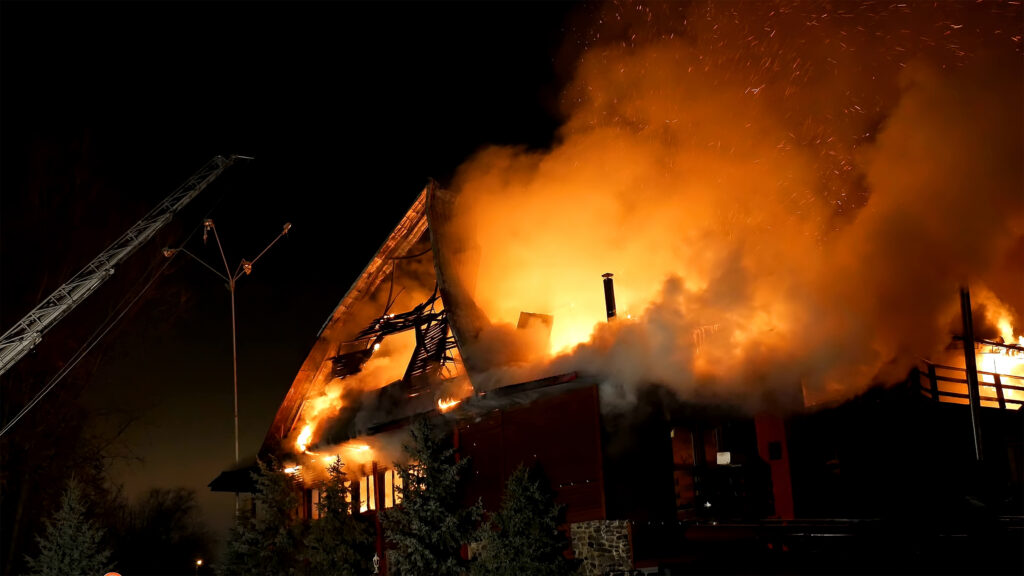
A fire can stop a business in its tracks in minutes. The flames may be out quickly, but the damage does not end there. Smoke seeps into walls and equipment. Water from sprinklers and fire hoses floods floors. The result is a building full of damage and operations on hold. For Pittsburgh business owners, knowing how to handle a fire damage insurance claims for Pittsburgh Business is key. The right steps can make the difference between a fast recovery and months of delays. This guide explains common causes of commercial fires, what insurance usually covers, the steps to take after a fire, why claims sometimes fall short, and how a Pittsburgh public adjuster can help you recover fully.

Common Causes of Commercial Fire Losses in Pittsburgh

Commercial buildings face many fire risks. Electrical fires are common, especially in older Pittsburgh buildings with outdated wiring. Overloaded circuits and faulty outlets often spark fires that spread quickly.

Kitchens create another major hazard. Grease fires and malfunctioning appliances can fill a building with smoke in seconds. Even small cooking fires lead to widespread damage.

Heating equipment also causes fires. Space heaters, boilers, and furnaces work hard during long Pittsburgh winters. When they fail, they can ignite nearby materials.

Human error is another factor. Leaving candles unattended, tossing cigarettes carelessly, or mishandling flammable liquids often leads to fires. And in some cases, arson or vandalism is to blame.

Knowing what caused the fire is important. Insurance companies investigate every claim to confirm coverage. Fire reports and photos can help prove your loss.

What Commercial Fire Policies Typically Cover

Commercial fire insurance is designed to repair damage and get you back to business. Most policies cover structural repairs to walls, floors, roofing, and built-in fixtures. They also cover business personal property like furniture, computers, and inventory.

Business interruption coverage is one of the most valuable parts of a policy. It can pay for lost income, employee payroll, and fixed costs while your business is closed. Some policies also include extra expense coverage. This helps you rent temporary space, lease equipment, or find other ways to reopen faster.

Cleanup and debris removal costs are usually included, too. These are often expensive but necessary before rebuilding can begin.

Read your policy carefully. Some have limits for smoke damage or code upgrades. If your coverage is too low, you may have to pay the difference out of pocket.

Steps to Take Immediately After a Fire

After a fire, quick action helps protect your property and your claim. First, wait until fire officials say the building is safe. Fires can leave hidden dangers like weak floors or exposed wiring.

When it is safe, call your insurance company right away. Give them the date, time, and basic details of what happened.

Next, secure the property. Board up windows, cover holes, and prevent further weather damage. These steps often qualify for reimbursement under your policy.

Document the damage as soon as possible. Take photos and videos of everything, inside and out. Keep receipts for emergency services, cleanup, and repairs. Write down what you see, who you speak to, and what actions you take.

Finally, protect anything not damaged. Move inventory or equipment to a dry, clean area. Cover items with plastic or tarps to keep them safe from water or soot.

Why Insurance Companies Underpay or Deny Fire Claims

Even when you do everything right, your claim might not be paid in full. Sometimes, insurance adjusters overlook smoke damage or water damage hidden inside walls.

Delays also happen if the insurer questions the cause of the fire. If they suspect arson, poor maintenance, or code violations, they may hold the payment until the investigation is done.

Older buildings often need upgrades to meet current codes during repairs. Many policies do not cover those upgrades unless you have ordinance or law coverage.

Business interruption claims are another sticking point. Insurers may argue that you should reopen sooner or say your income loss is less than claimed. In some cases, the claim is only partially paid or denied completely.

How a Pittsburgh Public Adjuster Helps Business Owners

A Pittsburgh public adjuster works for you, not the insurance company. Their job is to make sure your claim is fully documented and paid fairly.

At A. H. Neaman Company, we start by doing a complete inspection of your property. We look for smoke residue, water damage, and structural issues that might be missed. We review your policy to find every coverage you are entitled to use, including business interruption, extra expense, and debris removal.

We then prepare your claim with detailed photos, inventories, and repair estimates. Once the claim is filed, we handle the communication with the insurer. If the insurance company offers too little, we negotiate until you get a fair settlement.

Because we stay on top of deadlines and paperwork, your claim moves faster. This means you can focus on rebuilding, hiring back staff, and serving customers again.

Get Help with Your Fire Damage Claim

If your Pittsburgh business has suffered a fire, you do not have to deal with the insurance company by yourself. Contact A. H. Neaman Company today to speak with an experienced public adjuster. Our team will review your claim, explain your coverage, and fight to get you the payout you need to rebuild and reopen quickly.
Fire Damage and Insurance

fire damage

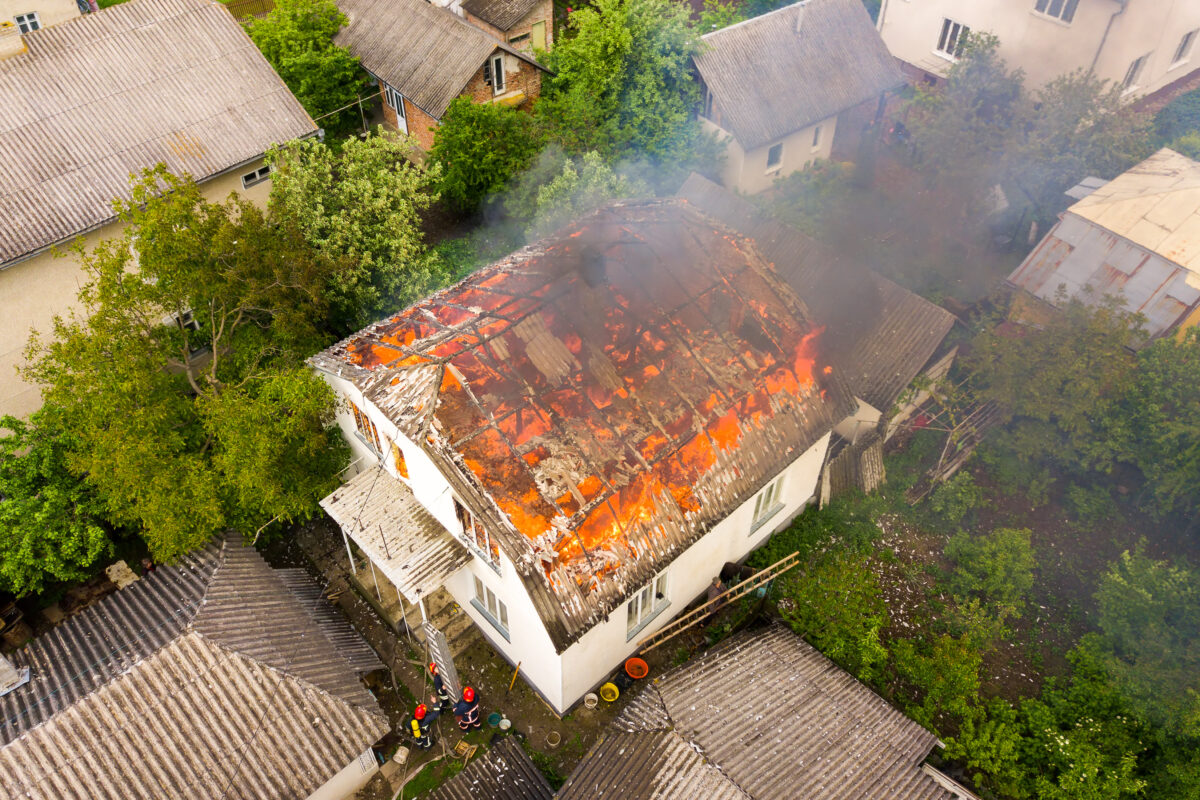
house fire is a devastating event that can leave homeowners feeling overwhelmed and uncertain about the future. Once the flames are extinguished, the long and often frustrating process of filing a fire damage insurance claim begins. Many homeowners assume their insurance company will handle everything smoothly, only to find themselves facing delays, lowball settlement offers, or outright claim denials.

Understanding the common pitfalls in the fire damage claims process can help you avoid mistakes that may reduce or delay your settlement. Whether you are dealing with smoke damage, water damage from firefighting efforts, or a total loss, knowing how to navigate the claims process effectively is key to receiving the compensation you deserve.

At A H Neaman Company, we are public adjusters serving Pennsylvania (PA), West Virginia (WV), and Maryland (MD). We work on behalf of homeowners and business owners to ensure insurance companies pay out fair settlementsfor fire damage claims. If you are struggling with your insurance claim, call us today for expert assistance.

In this article, we will explore the most common pitfalls in the fire damage claims process and provide proven strategies to help you avoid them.


1. Failing to Document the Damage Properly

One of the biggest mistakes homeowners make after a fire is not gathering enough evidence to support their claim. Insurance companies require extensive documentation to validate the extent of the damage, and insufficient evidence can result in delays or reduced payouts.

How to Avoid This Pitfall:

✔ Take extensive photos and videos of all damage, including structural damage, smoke residue, and damaged personal belongings.
✔ Create a detailed inventory list of destroyed or damaged items, noting their estimated value and purchase receipts if available.
✔ Obtain the fire department’s official report, as it serves as crucial evidence in proving the fire’s cause and severity.
✔ Hire a public adjuster to conduct a comprehensive assessment of fire, smoke, and water damage to ensure nothing is overlooked.


2. Accepting the Insurance Company’s First Settlement Offer

Insurance companies often offer settlements that are lower than the actual repair and replacement costs. Many homeowners accept these offers, assuming they have no choice. However, insurers frequently undervalue claims to protect their bottom line.

How to Avoid This Pitfall:

✔ Review the settlement offer carefully and compare it to contractor estimates for repairs.
✔ Get independent repair estimates from licensed contractors and restoration specialists.
✔ Work with a public adjuster to negotiate a higher payout based on a more thorough damage assessment.
✔ Do not sign a final settlement agreement until you are confident it covers the full cost of restoring your home and replacing your lost belongings.

At A H Neaman Company, we fight for homeowners to ensure they receive the full compensation they deserve.


3. Overlooking Smoke and Soot Damage

Smoke and soot can cause significant damage to your home’s structure and contents, even in areas untouched by flames. These residues can corrode surfaces, contaminate HVAC systems, and create long-term air quality issues. Insurance companies sometimes downplay the effects of smoke damage, leading to incomplete repairs.

How to Avoid This Pitfall:

✔ Have an air quality test conducted to determine the extent of smoke and soot contamination.
✔ Request an HVAC system inspection to ensure smoke particles have not spread through the ductwork.
✔ Document smoke damage in areas away from the fire’s origin to support your claim.
✔ Insist on professional cleaning and restoration services to remove harmful smoke residues.

public adjuster can ensure smoke and soot damage is fully accounted for in your claim.


4. Missing Important Deadlines

Insurance policies have strict deadlines for reporting fire damage, submitting claims, and filing appeals. Missing these deadlines can jeopardize your claim or result in a lower payout.

How to Avoid This Pitfall:

✔ Notify your insurance company immediately after the fire, typically within 24–72 hours.
✔ Carefully review your policy’s deadlines and ensure all claim forms are submitted on time.
✔ Work with a public adjuster who understands the process and keeps your claim moving forward.
✔ Keep copies of all correspondence with your insurer to track important deadlines.

Delays in filing can weaken your claim, giving the insurer more leverage to reduce your payout.


5. Underestimating the Cost of Repairs

Fire damage repair costs often exceed initial estimates, especially when hidden damage is discovered during reconstruction. Structural repairs, electrical system replacements, and code upgrades can drive up costs, leaving homeowners paying out-of-pocket if they’ve already settled for a low insurance payout.

How to Avoid This Pitfall:

✔ Get multiple repair estimates from reputable contractors.
✔ Ensure your policy includes “replacement cost value” (RCV) coverage, rather than “actual cash value” (ACV), which factors in depreciation.
✔ Have a public adjuster review your policy and repair estimates to ensure your insurer is offering a fair settlement.
✔ Factor in local building code upgrades, which may increase repair costs.

At A H Neaman Company, we help homeowners obtain accurate repair estimates and negotiate for full coverage.


6. Not Seeking Professional Help When Needed

Many homeowners try to handle the claims process alone, only to find themselves frustrated by delays, denied claims, or underpaid settlements. Working with a public adjuster can relieve stress and ensure your claim is handled properly from start to finish.

How to Avoid This Pitfall:

✔ Hire a public adjuster to manage your fire damage claim and negotiate a higher payout.
✔ Get professional inspections from engineers, electricians, and restoration experts.
✔ If your claim is denied, appeal with expert assistance to challenge the decision.

At A H Neaman Company, we handle everything—from documentation to negotiations—so you can focus on rebuilding your home and life.


Final Thoughts: Call A H Neaman Company for Expert Fire Damage Claim Assistance

The fire damage insurance claims process is complex, and mistakes can cost homeowners thousands of dollars in lost compensation. By avoiding common pitfalls—such as failing to document damage, accepting low settlements, missing deadlines, and underestimating repair costs—you can protect your rights and ensure your insurance company pays what you deserve.

If you are facing challenges with your fire damage claim in PA, WV, or MD, don’t navigate the process alone. At A H Neaman Company, our public adjusters work for you—not the insurance company. We ensure your claim is properly handled, your damage is fully assessed, and your settlement is maximized.

Call A H Neaman Company today for a free consultation. Let us help you secure the full compensation you need to rebuild and move forward.

Homeowners Insurance Coverage for Fire Damage

fire damage

When it comes to protecting your home, homeowners insurance is one of the most important investments you can make. However, many homeowners are unaware of the intricacies of their coverage, particularly when it comes to fire damage. A fire loss can be devastating, and understanding your insurance policy’s coverage for such an event is crucial to ensuring that you are properly protected.

At A H Neaman Company, we are experienced public adjusters in Pennsylvania (PA)West Virginia (WV), and Maryland (MD), specializing in helping homeowners navigate their insurance claims for fire damage. In this blog post, we will break down the different aspects of homeowners insurance coverage for fire damage and explain how we can help you get the most out of your claim.


1. What Does Homeowners Insurance Cover for Fire Damage?

1.1. Dwelling Coverage

Dwelling coverage is the primary protection in your homeowners insurance policy when it comes to fire damage. It typically covers the structure of your home, including walls, floors, ceilings, and roof. If a fire damages any of these, dwelling coverage will help pay for repairs or rebuilding.

For example, if the fire damages the structure of your house, dwelling coverage will help cover the cost of repairs or replacement up to the policy’s limit. However, it is essential to ensure that your coverage limits are high enough to fully rebuild your home in the event of a total loss.

1.2. Personal Property Coverage

Personal property coverage protects your belongings, such as furniture, electronics, clothing, and other items within your home. If your personal property is damaged or destroyed in a fire, this coverage will help pay for their replacement or repair.

Some policies may offer replacement cost coverage or actual cash value (ACV) coverage. Replacement cost coverage pays for the full cost of replacing damaged items, while ACV takes depreciation into account. Be sure to review the specifics of your policy to understand the difference and how it impacts your claim.

1.3. Additional Living Expenses (ALE) Coverage

In the aftermath of a fire, your home may be uninhabitable while repairs are being made. Additional Living Expenses (ALE) coverage helps pay for the costs of living elsewhere during this period, such as hotel stays, meals, and other necessary living expenses.

ALE coverage is essential because it ensures that you and your family have the financial means to live comfortably while your home is being repaired. Review your policy to understand the limits and the duration of coverage, as some policies may have specific caps on the amount they will pay.


2. Common Exclusions for Fire Damage in Homeowners Insurance

While homeowners insurance can provide substantial coverage for fire damage, there are common exclusions that homeowners should be aware of. These exclusions can impact the amount you receive for your claim or may result in a denial of coverage altogether.

2.1. Negligence or Intentional Acts

If the fire was caused by negligence or intentional acts, your claim may be denied. For instance, if the fire was caused by improperly maintained equipment or if it was intentionally set, your insurance provider may not cover the damages.

It’s important to maintain your home, follow fire safety protocols, and avoid actions that could lead to fire damage to protect your coverage. If you’re unsure about the specifics of your policy’s exclusions, reach out to a public adjuster who can review the terms of your policy and help clarify your coverage.

2.2. Flood and Earthquake Damage

Fire damage resulting from flooding or an earthquake may not be covered under your standard homeowners policy. Most homeowners insurance policies exclude these natural disasters, meaning that if your fire was caused by a flood or earthquake, you may need separate coverage.

To ensure that you’re fully protected, consider purchasing flood insurance or earthquake insurance if you live in an area where these events are common. A public adjuster can help you assess your risks and determine whether additional coverage is necessary.


3. How Can a Public Adjuster Help You with Fire Damage Claims?

When you file a claim for fire damage, the claims process can be overwhelming, especially during a time of distress. The insurance adjuster sent by your insurance company may have a different agenda than you do, potentially downplaying the extent of the damage or offering a low settlement.

As a public adjuster in PA, WV, and MD, we work on your behalf to ensure that your claim is fairly evaluated and that you receive the maximum compensation possible. Here’s how we can help you:

3.1. Assessing the Damage Thoroughly

We will conduct a detailed inspection of your property, identifying both obvious and hidden damages. This includes structural damage, smoke and soot damage, and damage to your personal belongings. We make sure that no aspect of your loss goes unreported and that all necessary repairs are included in your claim.

3.2. Negotiating with Your Insurance Company

Insurance companies may not always offer a fair settlement on the first offer. Our team of public adjusters is skilled in negotiating with insurers to ensure that your claim is valued appropriately. We will advocate for your best interests and fight for the compensation you deserve.

3.3. Maximizing Your Payout

From ensuring that you have sufficient dwelling coverage to getting the maximum value for your personal property, our job is to maximize your payout. We understand the ins and outs of insurance policies and will work tirelessly to ensure you receive the compensation needed to restore your home and life to normal.


4. Why Call A H Neaman Company for Help with Your Fire Insurance Claim?

At A H Neaman Company, we understand how overwhelming it can be to deal with the aftermath of a fire. As public adjusters in PA, WV, and MD, we specialize in helping homeowners like you navigate the complexities of fire damage claims. Our experienced team will:

  • Assess the full extent of your fire damage
  • Negotiate with your insurance company for a fair settlement
  • Maximize your claim payout
  • Ensure your coverage is sufficient for future losses

📞 Call A H Neaman Company today for a free consultation. Let us handle the insurance process while you focus on rebuilding your life. Our expertise can help you secure the compensation you need for your fire damage restoration. We are committed to helping you recover fully and fairly.

Maximize Your Fire Damage Insurance Claim

fire damage

Experiencing fire damage in your home is a devastating event that can leave you facing overwhelming decisions about restoration and insurance claims. To ensure you receive the full compensation you deserve, you need to be proactive and well-prepared. If you’re in Pennsylvania (PA), West Virginia (WV), or Maryland, A H Neaman Company is here to help you navigate the claims process and secure the maximum settlement possible.

Step 1: Report the Fire Damage to Your Insurance Company Immediately

Timely reporting is crucial. Contact your insurance company as soon as possible to begin the claims process. Be prepared to provide:

  • Your policy number
  • Date and time of the fire
  • A brief description of the damages

While your insurance company will assign an adjuster, their goal is to minimize payouts. That’s where A H Neaman Company comes in. As experienced public adjusters in PA, WV, and Maryland, we work for you, ensuring you receive the maximum claim settlement.

Step 2: Document Everything Thoroughly

Proper documentation is the key to maximizing your claim. Take the following steps:

  • Photograph and video record all damaged areas, both inside and outside the home.
  • Create an inventory of damaged belongings, noting their value and purchase date.
  • Save all receipts for emergency repairs, temporary housing, and other related expenses.

A H Neaman Company can assist in organizing and presenting this information to strengthen your claim.

Step 3: Secure Your Property to Prevent Further Damage

Insurance companies may deny claims if they believe additional damage occurred due to negligence. Take these precautions:

  • Board up broken windows and doors to secure the property.
  • Cover the roof with a tarp to prevent water damage.
  • Turn off utilities to prevent gas leaks or electrical hazards.

Our team can help coordinate emergency repairs and document every action taken for your claim.

Step 4: Review Your Insurance Policy

Understanding your policy ensures you claim every benefit available. Your coverage may include:

  • Dwelling coverage for structural repairs
  • Personal property coverage for lost or damaged belongings
  • Additional living expenses (ALE) for temporary housing and related costs

Not sure what your policy covers? A H Neaman Company will review it for you and ensure no benefits are overlooked.

Step 5: Avoid Quick Settlement Offers

Insurance companies often provide quick settlement offers that are lower than what you’re entitled to. Before accepting any offer:

  • Compare the offer against repair estimates
  • Consult with a public adjuster to evaluate fairness
  • Request a second opinion from contractors or restoration experts

Our experienced public adjusters at A H Neaman Company negotiate aggressively to secure the highest possible payout for you.

Step 6: Get Professional Estimates for Fire Damage

Insurance companies may undervalue damages to save money. To counteract this:

  • Obtain multiple estimates from licensed contractors and restoration specialists
  • Ensure estimates cover all repairs, including hidden damages
  • Consult with an independent adjuster to verify damage assessments

We work with reputable contractors to ensure your claim accurately reflects the true cost of repairs.

Step 7: Know Your Rights and Appeal If Necessary

If your claim is undervalued or denied, you have the right to appeal. This process includes:

  • Requesting a detailed explanation of the denial
  • Providing additional evidence to support your claim
  • Filing a formal appeal with supporting documentation

A H Neaman Company specializes in claim appeals and fights to overturn unfair denials or low settlements.

Step 8: Work with a Public Adjuster

A public adjuster is your advocate in the insurance claims process. By working with A H Neaman Company, you benefit from:

  • Expert policy review to maximize benefits
  • Thorough documentation to strengthen your claim
  • Professional negotiation to secure a fair settlement

Call A H Neaman Company for Expert Assistance

Handling a fire damage insurance claim alone can be stressful and overwhelming. Let A H Neaman Company, serving PA, WV, and Maryland, take the burden off your shoulders. We work for you, not the insurance company, ensuring you receive the full compensation you deserve.

Contact us today for a free consultation and let us fight for the settlement you need to rebuild and recover!

Understanding Fire Damage Insurance Claims

fire damage

A house fire is one of the most devastating events a homeowner can face. The damage left behind can be extensive, including structural destruction, smoke damage, and ruined personal belongings. Filing a fire damage insurance claim is a critical step toward recovery, but navigating the claims process can be challenging and overwhelming.

As experienced public adjusters serving Pennsylvania, West Virginia, and Maryland, we understand the complexities of fire damage claims and are here to guide you. This blog explains everything you need to know about filing a fire damage insurance claim, maximizing your settlement, and ensuring a smooth recovery process.


1. Start by Reviewing Your Insurance Policy

Your homeowner’s insurance policy outlines the coverage you have for fire damage. Reviewing this document is essential to understanding what is covered and what is not.

Key Areas to Review:

  • Dwelling Coverage: Covers repairs or rebuilding costs for your home’s structure.
  • Personal Property Coverage: Reimburses you for lost or damaged belongings.
  • Additional Living Expenses (ALE): Covers costs for temporary housing, food, and other necessities while your home is uninhabitable.

If you’re unsure about your coverage, a public adjuster can help interpret your policy and ensure you take full advantage of the benefits available to you.


2. Document the Damage Thoroughly

Before cleaning up or starting repairs, document all fire damage. Proper documentation is essential for filing a successful insurance claim.

Tips for Effective Documentation:

  • Take high-quality photos and videos of every affected area, including exterior damage, interior damage, and personal belongings.
  • Create an inventory of damaged items, including descriptions, purchase dates, and approximate values.
  • Save any receipts for temporary repairs or expenses related to the fire.

3. Notify Your Insurance Company Immediately

Once the fire is under control, contact your insurance company to initiate your claim. Provide them with the necessary details about the fire, including:

  • Date and time of the incident.
  • Cause of the fire, if known.
  • A brief description of the damage.

Your insurer will assign an adjuster to evaluate the damage and estimate repair costs. However, it’s important to remember that this adjuster works for the insurance company, not for you.


4. Understand the Role of a Public Adjuster

While your insurance company’s adjuster aims to minimize the payout, a public adjuster works on your behalf to ensure you receive the maximum settlement.

Why Hire a Public Adjuster?

  • Expert Assessment: We thoroughly evaluate all aspects of fire damage, including structural issues, smoke damage, and hidden losses.
  • Accurate Documentation: We prepare detailed reports and estimates to support your claim.
  • Negotiation Support: We handle negotiations with your insurance company, ensuring you receive fair compensation.

As public adjusters serving Pennsylvania, West Virginia, and Maryland, we have extensive experience helping homeowners recover after a fire.


5. Be Aware of Coverage Limitations

Not all fire damage is covered by insurance, and understanding the exclusions in your policy is crucial.

Common Coverage Exclusions:

  • Fires caused by arson or intentional acts.
  • Damage due to neglect or failure to maintain the property.
  • Fires occurring in vacant or unoccupied properties.

A public adjuster can help identify any potential coverage issues and advocate on your behalf if your claim is denied or partially approved.


6. Avoid Common Mistakes

Filing a fire damage claim is a detailed process, and mistakes can delay or reduce your settlement.

Common Mistakes to Avoid:

  • Failing to Mitigate Damage: Most policies require you to take reasonable steps to prevent further damage, such as boarding up windows or covering holes in the roof.
  • Settling Too Quickly: Insurance companies may offer a quick settlement that doesn’t fully cover your losses. A public adjuster can help you evaluate offers to ensure they are fair.
  • Overlooking Hidden Damage: Smoke and water damage may not be immediately visible but can lead to significant issues later.

7. Maximize Your Settlement

To ensure you receive the compensation you deserve, follow these best practices:

  • Provide Complete Documentation: Submit all necessary evidence, including photos, videos, and receipts.
  • Communicate Clearly: Keep detailed records of all communications with your insurance company, including emails, phone calls, and letters.
  • Enlist Professional Help: A public adjuster can help you prepare a strong claim and negotiate effectively with your insurer.

8. Rebuild with Confidence

Once your claim is approved, the rebuilding process can begin. Work with licensed contractors who specialize in fire restoration to ensure repairs are done correctly.

Tips for Choosing a Contractor:

  • Check references and reviews.
  • Verify licenses and insurance.
  • Get multiple estimates to compare costs.

Why Work with a Public Adjuster in PA, WV, and MD?

Recovering from a fire is a challenging process, but you don’t have to face it alone. A public adjuster can take the stress out of filing a fire damage insurance claim by:

  • Advocating for your best interests.
  • Ensuring all damages are accounted for.
  • Maximizing your settlement to cover repair and recovery costs.

With years of experience helping homeowners in Pennsylvania, West Virginia, and Maryland, we have the local expertise and dedication needed to help you rebuild your life after a fire.


Final Thoughts

Filing a fire damage insurance claim can be overwhelming, but understanding the process and enlisting professional help can make all the difference. By reviewing your policy, documenting the damage, and working with a trusted public adjuster, you can ensure a smooth claims process and a successful recovery.

If you’re dealing with fire damage in Pennsylvania, West Virginia, or Maryland, contact us today. Let us handle the complexities of your insurance claim so you can focus on what matters most—getting your life back on track. Call A H Neaman Company today!

Fire Damage Claims: What Every Homeowner Needs to Know

fire damage

Experiencing a fire in your home is a devastating event. Beyond the emotional toll, the process of filing a fire damage insurance claim can be overwhelming. For homeowners, understanding the steps involved and knowing your rights can make all the difference in ensuring a fair settlement. Partnering with a public adjuster in Pittsburgh or other nearby areas can provide the support you need to navigate this process successfully.

This guide will walk you through the essentials of fire damage claims and explain how a public adjuster can help maximize your settlement.


The Basics of Fire Damage Insurance Claims

When a fire damages your home, your homeowner’s insurance policy is designed to provide financial relief. Most standard policies cover:

  • Damage to the structure of your home.
  • Replacement or repair of personal belongings.
  • Additional living expenses if you need to temporarily relocate.

However, insurance companies often scrutinize fire damage claims closely, and mistakes during the filing process can lead to delays or reduced payouts.


Steps to Take After a Fire

Handling a fire damage claim properly begins with taking the right actions immediately after the event.

1. Ensure Safety First

Your safety and that of your family should always come first. Evacuate the property and call emergency services to handle the fire. Do not re-enter your home until authorities declare it safe.

2. Notify Your Insurance Company

Contact your insurance company as soon as possible to report the fire and start the claims process. Provide them with basic details about the event.

3. Document the Damage

Thorough documentation is key to a successful claim. Take photos and videos of all affected areas, including structural damage and damaged personal items. Keep an inventory of lost or damaged belongings with details like purchase dates and approximate values.

4. Secure the Property

Prevent further damage by securing the property. This might involve boarding up windows, covering roof damage with tarps, or arranging temporary fencing. Many insurance policies require you to mitigate additional loss.

5. Consult a Public Adjuster

While your insurance company will assign an adjuster to your case, hiring a public insurance adjuster ensures you have someone working solely in your best interest. They can guide you through the process, assess the damage independently, and negotiate for a fair settlement.


Common Challenges in Fire Damage Claims

Filing a fire damage claim isn’t always straightforward. Homeowners often encounter challenges such as:

1. Underestimated Damage

Insurance companies may underestimate the extent of fire damage, especially when it comes to structural integrity or hidden smoke damage.

2. Disputes Over Coverage

Insurers may argue that certain damages or items are not covered under your policy. Understanding the fine print of your policy is crucial.

3. Delays in Processing

Fire damage claims can be complex, leading to delays in processing and settlement. This can be especially frustrating when repairs or temporary housing arrangements are urgent.

4. Low Settlement Offers

Insurance companies often aim to minimize payouts. A low initial settlement offer might not cover all your repair and replacement costs.


How a Public Adjuster Can Help

Hiring a public adjuster in Pittsburgh or your local area can significantly improve your chances of a successful claim. Here’s how:

1. Expert Damage Assessment

Public adjusters have the expertise to evaluate fire damage thoroughly, including structural damage, smoke and soot residue, and loss of personal belongings.

2. Policy Interpretation

They understand the intricacies of insurance policies and can identify all applicable coverages to ensure you receive the maximum benefits.

3. Documentation and Claim Preparation

Public adjusters handle the detailed documentation process, including creating inventories, taking photographs, and preparing repair estimates.

4. Negotiation with Insurers

They act as your advocate in negotiations with the insurance company, pushing back against lowball offers and ensuring a fair settlement.

5. Stress Reduction

Dealing with a fire is stressful enough. A public adjuster takes the burden of managing the claim off your shoulders, allowing you to focus on recovery.


Fire Damage Claims in Pennsylvania, Maryland, and West Virginia

In regions like Pennsylvania, Maryland, and West Virginia, fire damage claims come with unique challenges. For example:

  • Pennsylvania experiences cold winters, where fire claims may also involve water damage from burst pipes or firefighting efforts.
  • Maryland homes often face weather-related risks, where wind or storm damage can compound fire-related claims.
  • West Virginia, with its rural areas, may see delays in accessing services for repairs or temporary housing.

Having a public adjuster familiar with these regional factors is invaluable.


Tips for Maximizing Your Fire Damage Claim

  1. Act Quickly: Report the fire and begin the claims process as soon as possible.
  2. Keep Records: Save all receipts for expenses related to the fire, including temporary housing and repairs.
  3. Avoid Premature Clean-Up: Don’t discard damaged items before documenting them.
  4. Review Settlement Offers Carefully: Consult with a public adjuster to ensure any offer reflects the full extent of your losses.
  5. Be Persistent: Follow up regularly with your insurer to keep your claim moving forward.

Why Choose A H Neaman Company?

At A H Neaman Company, we understand the emotional and financial toll that fire damage can take on homeowners. As licensed public insurance adjusters in Pennsylvania, Maryland, and West Virginia, we specialize in handling fire damage claims and fighting for the compensation you deserve.

With our expertise, we ensure:

  • Comprehensive documentation of your losses.
  • Accurate evaluation of damages.
  • Skillful negotiation to secure a fair settlement.

Don’t settle for less. Contact A H Neaman Company today, and let us help you rebuild your home and your peace of mind.


Filing a fire damage claim doesn’t have to be a battle. With the right support, you can navigate the process with confidence and secure the compensation you need to recover. Trust A H Neaman Company to stand by your side every step of the way.

Fire Damage at Your Business: 5 Steps to a Successful Insurance Claim

fire damage at your business

Experiencing fire damage at your business can be devastating, not only to your property but also to your operations, employees, and livelihood. When the unexpected happens, knowing the right steps to take can make a world of difference in recovering from the loss. Filing a successful insurance claim is key to rebuilding and restoring your business.

If your business is in Pittsburgh, PA, or nearby areas in West Virginia, Pennsylvania, or Maryland, this guide will provide you with a clear path to navigating the aftermath of a fire. Plus, we’ll explain how A H Neaman Company can help you maximize your insurance claim.


Fire Damage At Your Business

1. Ensure Safety and Secure the Premises

After a fire, your first priority should be safety. Follow these critical steps to secure the area:

  • Wait for Clearance: Only enter the property once the fire department has deemed it safe.
  • Eliminate Immediate Hazards: Watch for structural instability, lingering smoke, or exposed wires.
  • Secure the Property: Protect your building from further damage or theft by boarding up windows, locking doors, or fencing off the area.

Taking these measures helps minimize additional losses, which your insurance policy may require.


2. Document the Damage Thoroughly

Detailed documentation is one of the most critical steps in filing a successful insurance claim. Accurate records provide evidence of the damage and losses sustained, ensuring your claim is as comprehensive as possible.

  • Take Photographs and Videos: Capture clear images of structural damage, damaged equipment, inventory, and any other affected areas.
  • Compile an Inventory List: Document all damaged or destroyed items, noting their original value and purchase date.
  • Keep Records of Expenses: Save receipts for any temporary repairs or relocation costs incurred after the fire.

Documentation strengthens your position when negotiating with your insurance company.


3. Contact Your Insurance Company

Notify your insurance provider about the fire damage immediately. When you make the initial call:

  • Provide an Overview: Give a brief description of the damage.
  • Request Claim Information: Ask about the process, deadlines, and what documentation they require.
  • Follow Up in Writing: Submit a written notification of the loss for official records.

4. Understand Your Insurance Policy

Familiarize yourself with the details of your commercial property insurance policy to understand what is covered and what isn’t. Key points to review include:

  • Coverage Types: Confirm your policy covers fire damage, including related losses such as smoke damage or water damage from firefighting efforts.
  • Business Interruption Insurance: If applicable, this coverage can help offset lost income and ongoing expenses while your business recovers.
  • Exclusions and Deductibles: Understand any limitations or out-of-pocket costs that may apply.

Navigating the fine print of an insurance policy can be challenging, which is why working with a public insurance adjuster can be invaluable.


5. Work with a Public Insurance Adjuster

Insurance claims for fire damage are often complex, and insurance companies may not always offer the compensation you deserve. A public insurance adjuster like A H Neaman Company works on your behalf to ensure you receive a fair settlement.

How A Public Adjuster Helps Your Claim

  1. Damage Assessment: We perform a detailed inspection of your property to identify all fire-related damage, including hidden issues like smoke or water damage.
  2. Policy Review: We analyze your insurance policy to ensure you’re utilizing all applicable coverages.
  3. Claim Preparation: Our team compiles all necessary documentation, including damage reports, repair estimates, and inventory lists.
  4. Negotiation: We handle discussions with the insurance company, advocating for a settlement that fully reflects your losses.

By partnering with A H Neaman Company, you can focus on rebuilding your business while we handle the complexities of your claim.


Tips for a Smooth Claim Process

  • Avoid Making Permanent Repairs Early: Insurance companies need to assess the damage before permanent repairs begin. Temporary fixes to prevent further damage are acceptable.
  • Keep Communication Clear: Maintain detailed records of all correspondence with your insurance provider and adjuster.
  • Monitor Timelines: Insurance claims have deadlines, so act promptly to avoid delays.

Why Choose A H Neaman Company for your Fire Damage?

At A H Neaman Company, we understand the stress and challenges that come with filing an insurance claim after fire damage. Our experienced team of public insurance adjusters is here to guide you every step of the way, ensuring you receive the maximum compensation possible.

Serving Pittsburgh and Beyond

Based in Pittsburgh, PA, we proudly serve clients across Pennsylvania, West Virginia, and Maryland. Whether your business has suffered minor fire damage or a total loss, we have the expertise to handle claims of all sizes and complexities.


Real-Life Success Story

Helping a Small Business Rebuild After a Fire

When a local small business in Pittsburgh experienced a devastating fire, they turned to A H Neaman Company for help. Their insurance company’s initial offer fell short of covering the full extent of the damage.

Our team conducted a comprehensive assessment, identified overlooked damages, and negotiated a settlement that exceeded the business owner’s expectations. This allowed them to rebuild and reopen sooner than anticipated.


Conclusion

Recovering from fire damage at your business is a challenging journey, but with the right steps and expert guidance, you can navigate the insurance claim process successfully. By securing fair compensation, you’ll be able to rebuild stronger than ever.

Let A H Neaman Company Help You Maximize Your Claim

If your business has experienced fire damage, contact A H Neaman Company today. Our dedicated public insurance adjusters are ready to help you get the settlement you deserve, serving businesses in Pittsburgh, PA, and across West Virginia, Pennsylvania, and Maryland.

Don’t let fire damage hold your business back—schedule your free consultation today!